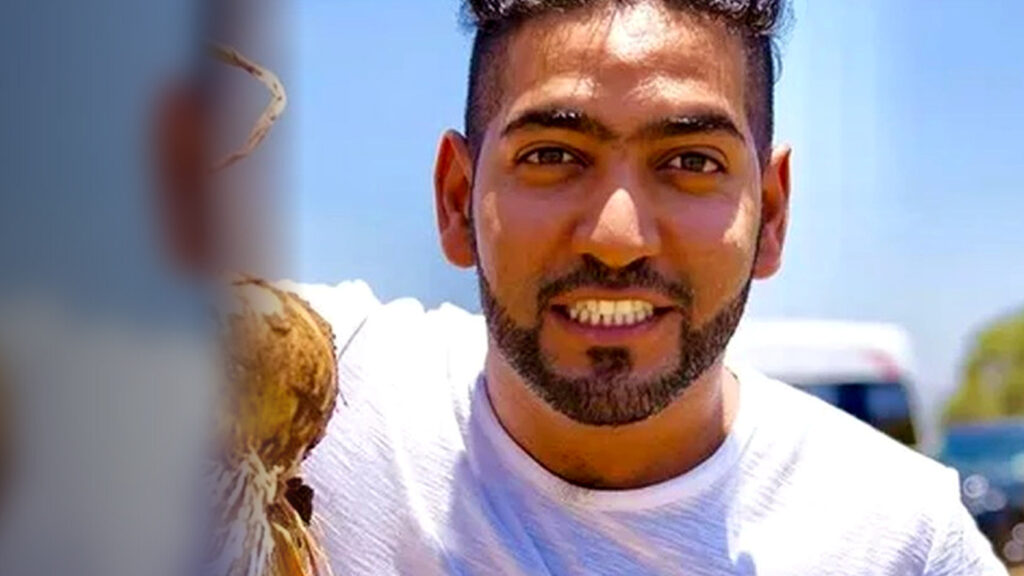
Before Ali Mandhry received television offers, he had a regular customer in his own home: a grandfather who taught him recipes, ingredients and the value of watching what an experienced cook does.
The family kitchen that became a classroom
Ali Mandhry has spoken about learning to cook as a child under the influence of his grandfather, Adam Jarady. By the age of twelve, he was selling cakes to fellow pupils and teachers. That small enterprise required more than following a recipe. A child selling food must understand which ingredients can be bought, how much customers will pay and whether the product is good enough for repeat business.
At seventeen he was selected for an apprenticeship at Sarova Whitesands, an opportunity that moved him from domestic learning into professional hospitality. He later trained at Kenya Utalii College and returned to teach. The transition matters because television celebrity often makes skill appear effortless. Viewers see the finished plate. Apprenticeship teaches the untidy disciplines behind it: timing, consistency, hygiene and the need to repeat the same result for people who will complain when it changes.
His early story also challenged assumptions about which jobs young men in his community were expected to pursue. He described receiving family support alongside some criticism. The practical result was a career built on taking food seriously when others might have dismissed it as a hobby.
Why the camera was the second apprenticeship
Mandhry went on to present cooking programmes, including Tamu Tamu and Celebrity Kitchen Raid, and became an ambassador for Kenyan cuisine. Television introduced a new professional requirement. Preparing food well is one skill; explaining it clearly enough that strangers can reproduce the dish is another.
Celebrity cooking also changes how national culture travels. A restaurant dish reaches the people who visit that restaurant. A televised recipe can travel through households across the country and abroad. An ingredient presented with confidence becomes part of a story about where the food comes from and why a cooking tradition deserves attention.
Chef Ali's biography offers a more useful success formula than the familiar instruction to 'follow your passion'. He did not simply love cooking. He turned repeated practice into a small business, formal training into credibility and communication into a platform. The television audience arrived after the work had already begun.




Leave a Reply